

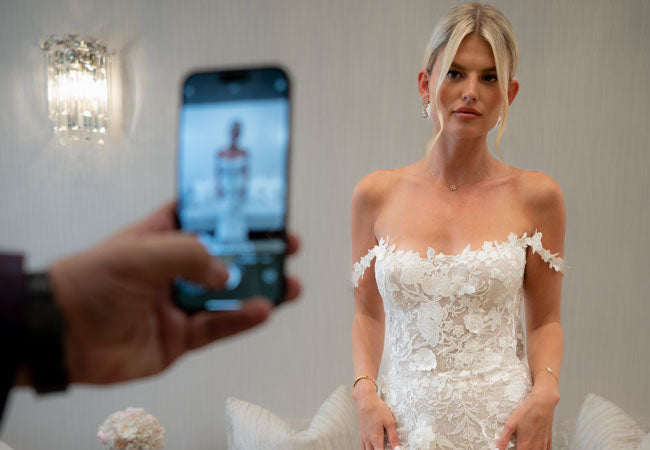

What Makes a Wedding Dress Hold Its Value After the Wedding
Many brides think about their wedding dress as a one-day decision—but some dresses hold value (and demand) long after the last dance. If you want the option to resell your gown later, a few smart choices—before you buy and during alterations—can make a meaningful difference.
At a Glance
- Value is created early: the most important factors happen before the wedding (designer, fabric, fit, and alteration choices).
- Condition is everything: how the dress is worn, stored, and cleaned can impact resale more than you’d expect.
- Keep it reversible: the best resale outcomes usually come from alterations that can be undone.
What Makes a Wedding Dress Hold Its Value After the Wedding
- Designer demand matters more than the original price tag. A well-known designer with consistent demand often holds value better than a more expensive gown that’s less recognized.
- Timeless silhouettes typically resell more easily. Classic shapes (think clean A-line, sleek sheath, balanced ballgown) tend to appeal to a wider range of brides year after year, especially when you understand how different silhouettes flatter and fit.
- Fabric quality shows up in photos—and in resale listings. Structured satin, quality crepe, and substantial lace often photograph beautifully and look “expensive” in listing images, especially when you choose the right fabric for structure and finish.
- Comfort can be a resale advantage. Dresses that allow movement (and don’t rely on constant adjusting) are easier to love—and easier to recommend, even secondhand.
- Minimal irreversible alterations usually preserve value. Hemming is normal, but heavy structural changes—like cutting the bodice down multiple sizes—can limit who the dress fits next and reduce flexibility in future alterations.
- Keeping the original fabric matters (even if you don’t use it). If your tailor removes lace appliqués, trims, straps, or extra tulle, ask for it back. Extra fabric can help with repairs, re-styling, or resale confidence.
- Color and undertone influence resale more than most brides expect. “Bright white” vs “ivory” is a real preference. Neutral, widely flattering tones tend to appeal to more shoppers.
- Trend-forward details can sell fast—or date fast. Extremely specific trend elements (very dramatic cutouts, ultra-novelty bows, exaggerated micro-trends) can be polarizing. If you love them, go for it—just know the resale audience may be narrower.
- Condition at the hem tells the whole story. Outdoor weddings, city sidewalks, and long trains can cause wear and discoloration. The hem is the first place buyers look for clues about how a dress was treated.
- A thoughtful bustle can help preserve the dress during the wedding. A secure bustle keeps the train off the ground, reduces tearing, and prevents stains—protecting both the look and the resale outcome.
- Dress structure and boning that “holds” can help long-term value. Gowns that maintain shape (without needing constant pulling up) often appear more polished in photos and fittings.
- Size range influences buyer pool. Certain size ranges have larger resale demand simply because more shoppers fall into those sizes. That said: a great dress can sell in any size—fit, condition, and price matter more.
- Simple necklines tend to be easier to re-style. A classic strapless, scoop, V-neck, or square neckline gives future brides room to personalize with veils, jewelry, sleeves, or removable toppers.
- Bridal separates and convertible details can hold value if they’re well executed. Detachable sleeves, overskirts, and capes can be a resale boost—especially when they’re included and photographed clearly.
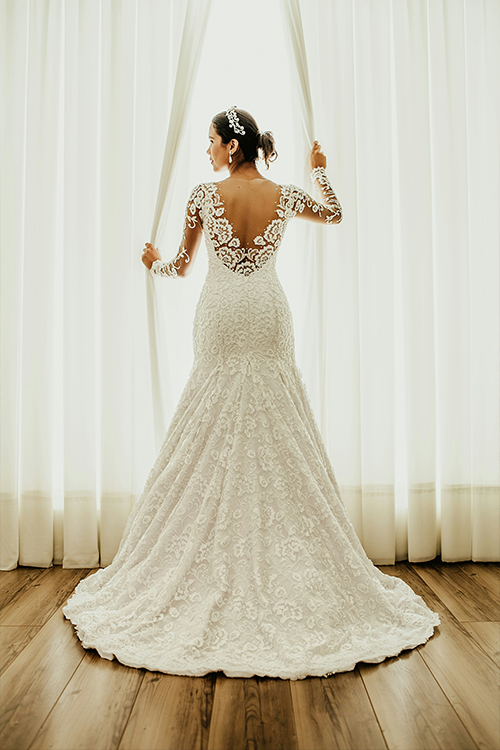
- Pro-quality photos (even a few) can increase buyer confidence. Clean, well-lit images of the front, back, label, and details do more than any description. They show condition, fabric texture, and craftsmanship.
- Documentation helps—especially for designer gowns. Keep receipts, designer info, and any proof of professional cleaning. Buyers don’t always require it, but it can reduce hesitation for higher-priced listings.
- Cleaning quickly after the wedding protects value. Even “invisible” stains (sugar, sweat, champagne) can oxidize over time. The sooner you clean, the better the final condition.
- Storage choices can make or break resale condition. Avoid plastic storage for long periods. Keep the gown in a breathable bag, in a cool, dry place away from sunlight and humidity.
- Alterations that are “reversible” tend to keep the buyer pool larger. Letting out seams is easier than reconstructing. If you’re between sizes, it’s often better to buy for your largest measurement and tailor down.
- The best value-holding dresses still feel like “you.” The dress that photographs beautifully, fits comfortably, and makes you feel confident will always be worth it—regardless of resale. The goal is to keep your options open, not to limit your style.
Value Killers to Avoid (If Resale Is a Priority)
- Major size reductions: taking a dress down several sizes can drastically narrow the next buyer pool.
- Permanent color changes: dyeing or heavy tinting usually reduces resale appeal.
- Cutting away key structure: removing boning, cups, or internal support can change how the dress wears for the next bride.
- Waiting too long to clean: stains set and yellowing becomes harder to reverse.
- Storing in plastic: trapped moisture and odors can damage fabric over time.
Choosing a Dress You’ll Love (and One That Keeps Options Open)
Holding value isn’t about picking a “safe” dress—it’s about making thoughtful choices that protect your options. If you love your gown and care for it well, you’ll be in the best position to preserve it, repurpose it, or resell it later with confidence.

%20long%20after%20the%20last%20dance.%20If%20you%20want%20the%20option%20to%20resell%20your%20gown%20later,%20a%20few%20sm...)